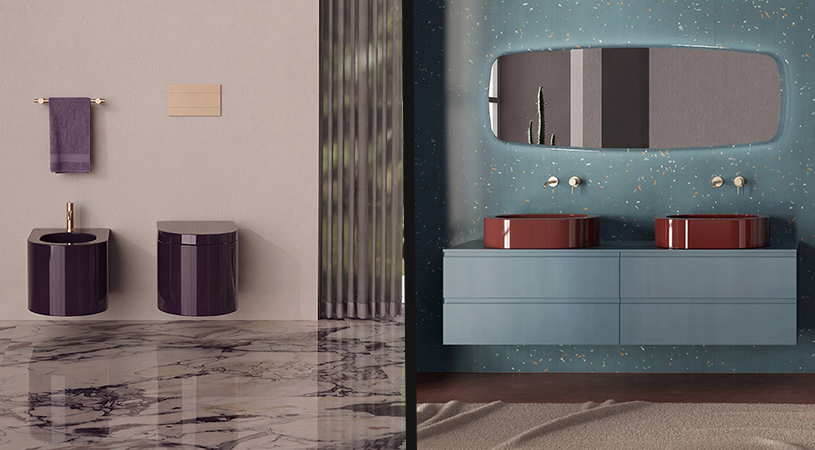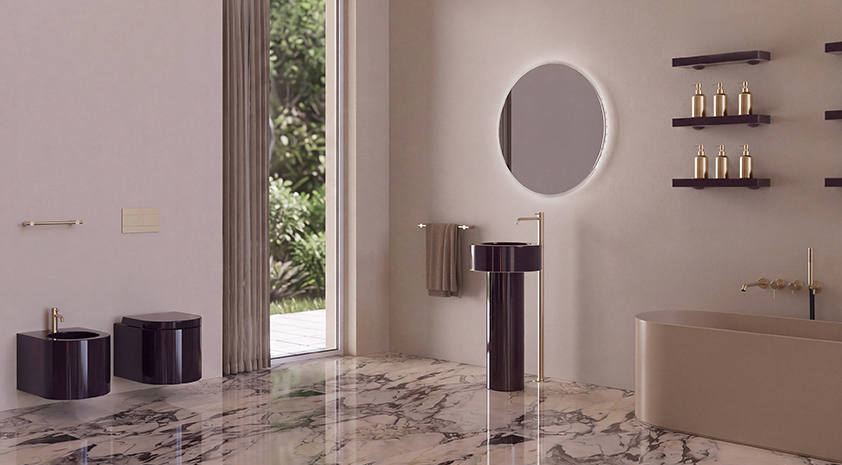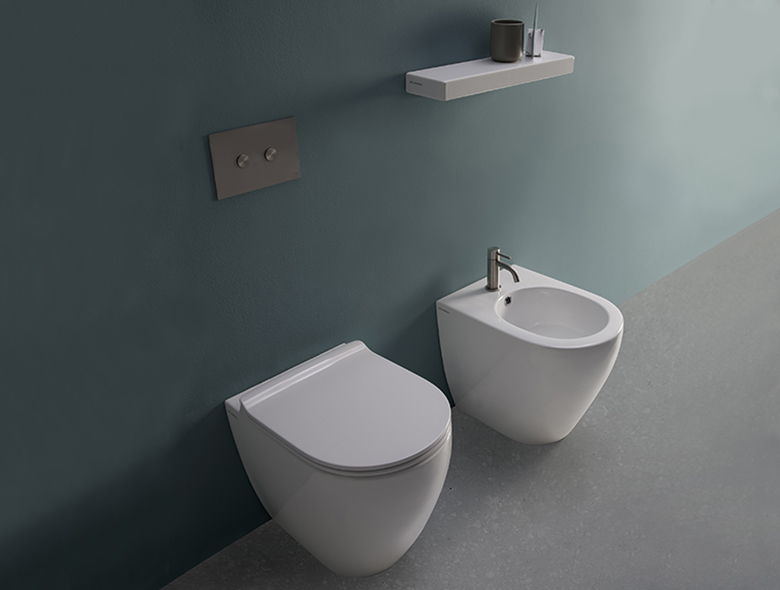
We often take everyday objects and products for granted, as if they had always existed—but of course, that’s not the case. Today, let’s take a look at the history of the bathroom, and especially its origins.
Over the years, the concept of the bathroom has taken on very different meanings. In ancient times, it referred to the immersion of the body in liquid for hygienic, recreational, or sacred ritual purposes. It wasn’t until the 19th century that we began to see signs of daily body cleansing routines and the appearance of homes with rooms specifically dedicated to personal hygiene and sanitary fixtures.
To trace the ancestors of today’s toilet, we have to go back as far as 2000 B.C. in Greece—specifically, on the island of Crete during the reign of King Minos. An early version of the toilet was made of wood and ceramic and placed in a semi-hidden location. Beneath it, an underground sewage system was built, channeling waste directly to the river.
While these are the earliest roots of bathroom history, over the centuries and across various cultural contexts, the toilet has undergone changes and improvements based on user needs, customs, and habits—leading eventually to the development of actual sanitary fixture models.
Flaminia, through its focus on both technical and aesthetic innovation in bathroom furnishings, continues to advance the evolution of ceramic sanitary ware.